


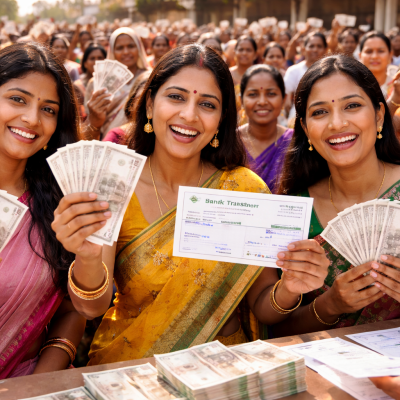
In a significant political and economic move, the West Bengal government has announced an expansion of direct cash transfer programs targeting women, aimed at increasing financial access and support for households across the state. Officials note that these payouts are intended to bolster women’s economic independence while also streamlining social welfare delivery.
The timing of the expansion, coming just ahead of state elections, has drawn attention to the growing recognition of women as decisive voting blocs in Indian politics. Analysts suggest that financial incentives and welfare programs directed at women can influence both economic participation and political engagement, particularly in rural and semi-urban regions where women manage household budgets and resources.
From our perspective at Global Women Magazine, this development underscores a broader global pattern: governments increasingly understand that women are not just beneficiaries of policy—they are active agents in shaping economic and political outcomes. While cash transfers can provide immediate relief and empowerment, the real measure of success will be whether these programs also support long-term financial literacy, economic participation, and systemic gender equity, rather than serving purely as electoral instruments.
In short, recognizing women’s influence in elections is important, but sustainable empowerment requires more than timely payouts—it requires consistent investment in women’s skills, agency, and leadership across society.