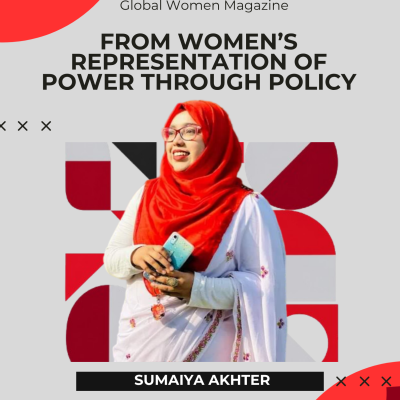




African women leaders and advocates are amplifying calls for leadership that extends beyond visibility or individual achievement. The focus is on systemic impact—transforming governance, economic development, and social structures across the continent.
Regional coalitions, think tanks, and advocacy networks are convening forums to highlight how women can influence policy, institutional reform, and cross-sector development. Emphasis is placed on collective action, mentorship pipelines, and strategic partnerships that move beyond token representation toward measurable change.
Observers note that African women’s leadership has historically been constrained by structural barriers, including unequal access to finance, political decision-making, and institutional resources. Advocates argue that this moment is pivotal: leaders must leverage both visibility and strategic influence to ensure that policies, budgets, and governance frameworks deliver tangible outcomes for women and girls.
Global Women Magazine Perspective
At Global Women Magazine, we see this emphasis on systemic impact as essential. Leadership is not about being seen; it is about shaping the rules, resources, and structures that govern societies. African women are demonstrating that influence is amplified when it is networked, intentional, and outcome-driven.
As International Women’s Day nears, this call to action reminds us that true gender equity requires infrastructure, not optics—leadership embedded in systems that serve everyone.